


You need somewhere to go, don’t you? Whether you are living off the grid on a rural homestead, or even a tiny home, you’re going to need somewhere to do your personal business. In order to make sure all needs are taken care of, it is absolutely essential to determine what method is going to be used in regards to disposing of human waste.
It’s understandably a difficult subject, but something that shouldn’t be ignored. Luckily, there are many types of off grid bathroom solutions that you can use. In this article you’re going to learn about the different solutions, their pros and cons, and hopefully get a better understanding on what system would work best for you.
A Look Into the Different Types of Off Grid Toilet Options


1. Septic Systems
If you’re going to be staying in one area off the grid and you have access to a water connection, then a septic system is a great choice. Not only does it collect waste and water from the toilet, but it collects waste-water from sinks and tubs as well.


How They Work
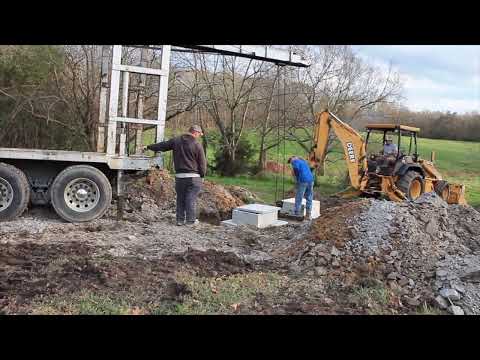
The main part of a septic system is a large tank used for collecting water and waste. Inside the tank, bacteria breaks the waste down, making the waste separate into three different layers.
The top layer is scum, while the middle layer is liquid, and the bottom layer is sludge.
When the waste-water makes it’s way into the tank, liquid then disperses from the pipe to drain into a field.
This is safe because the soil “filters” this water through natural processes. Professional sanitizers are required to empty the septic tank annually.
The Pros and Cons of Septic Systems
Pros
- Using a septic system is the closest alternative to the modern municipal sewer systems we are used to.
- Septic systems make it so you don’t have to deal with the waste yourself.
- You can choose from many types of systems in terms of materials and size.
- They’re a great for a long term, off grid toilet solution.
- The ability to have a septic tank means you have access to running water for your home.
- It is possible to create your very own DIY septic system. Be wary as this may result in fines and legal action against you. Read more about it here
- The costs of installation, annual maintenance & cleaning, and repairs or replacements can be expensive
- Extra caution must be taken with any task that requires the use of water
- You will need to make sure you have fixtures that are septic system friendly
- It is unlawful to create or install a septic system where it is not allowed. Fines are high, and you could potentially be charged criminally.
- You’ll need to be extra careful about where you place a garden so it doesn’t interfere with your system.
The biggest advantages you get with septic systems are their low maintenance, durability and strength. Septic tanks can be made from different materials, meaning quality will differ depending on what material it’s made from.
Approved materials for use are steel, concrete, fiberglass, and aerobic. We will now go over the off grid toilet solutions for septic systems.
#1: Steel
Steel septic tanks will typically last up to 25 years and are also prone to rusting. Corrosion may also occur on the tank’s roof, ultimately weakening it’s support.
This can put a person at risk for falling into the tank. It is, however, possible to replace the rusted cover for less than an entire tank swap.
#2: Concrete
Septic tanks constructed from concrete tend to have a lifetime that lasts for several decades. The downside is that concrete might crack, leading to waste leaks into the groundwater.
Backups in concrete tanks can also have an effect on the water’s drain outflow. These problems are difficult to detect, meaning it can be too late once a problem is diagnosed.
#3: Fiberglass
Fiberglass septic tanks are more durable than both steel and concrete tanks because they don’t crack or rust. Effluent levels may be present due to plugs being dislodged on the bottom of the tank.
Fiberglass material is also less dense, making it prone to damage from weight above the ground. If the soil around the tank becomes wet or damp, it may displace the tank.
#4: Aerobic
These tanks run on electricity and last a long time. Aerobic tanks are a last resort for when previous tanks fail to perform. They are typically three times more expensive than the other septic tank materials.
In return, aerobic septic tanks have higher efficiency and don’t require drain fields as big as the others. Maintenance needs to be done more frequently as well.
Related: How To Live Off The Grid In A Tiny House
2. Compost Toilets


A popular off grid toilet option are compost toilets. They are pretty convenient since they don’t need plumbing, and are environmentally friendly as well.
How They Work
Just like septic systems, compost toilets come in different types as well.
Generally speaking, they all function the same. After every use of your composting toilet, you need to sprinkle either wood shavings or sawdust into the toilet.
Over time the waste, toilet paper, and wood shavings or sawdust turn into compost by breaking down.
Depending on the composting system you choose, you may or may not have to turn a crank handle in order to “mix” the compost.


The resulted compost can then be used as fertilizer for your trees, bushes, shrubs. You can also further compost it in a largest compost collection outside.
It is extremely important to keep in mind that you should never use the compost in your food garden straight from your bathroom for health and safety reasons. If you plan on using your human waste compost for your food gardens, then you’ll need it to compost for at least 1 year for it to be safe.
The Pros and Cons of Composting Toilets
Pros
- Composting toilets have low costs (dependin